From Vinča to Geneva
There are moments when art quietly enters conversations much larger than itself.
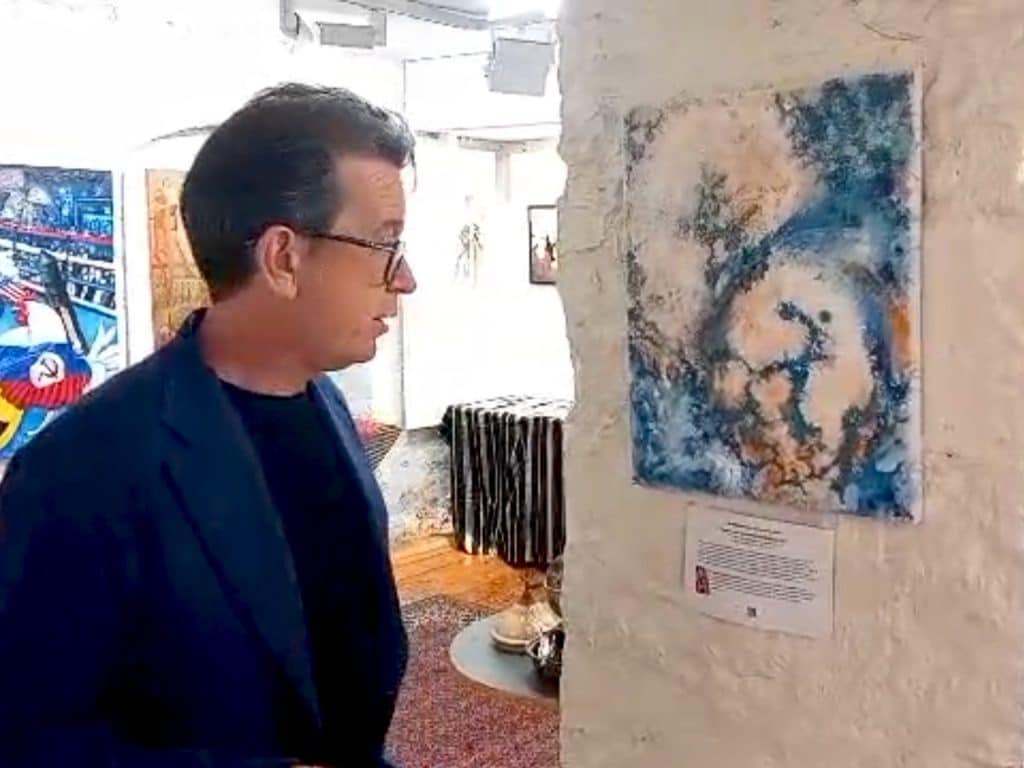
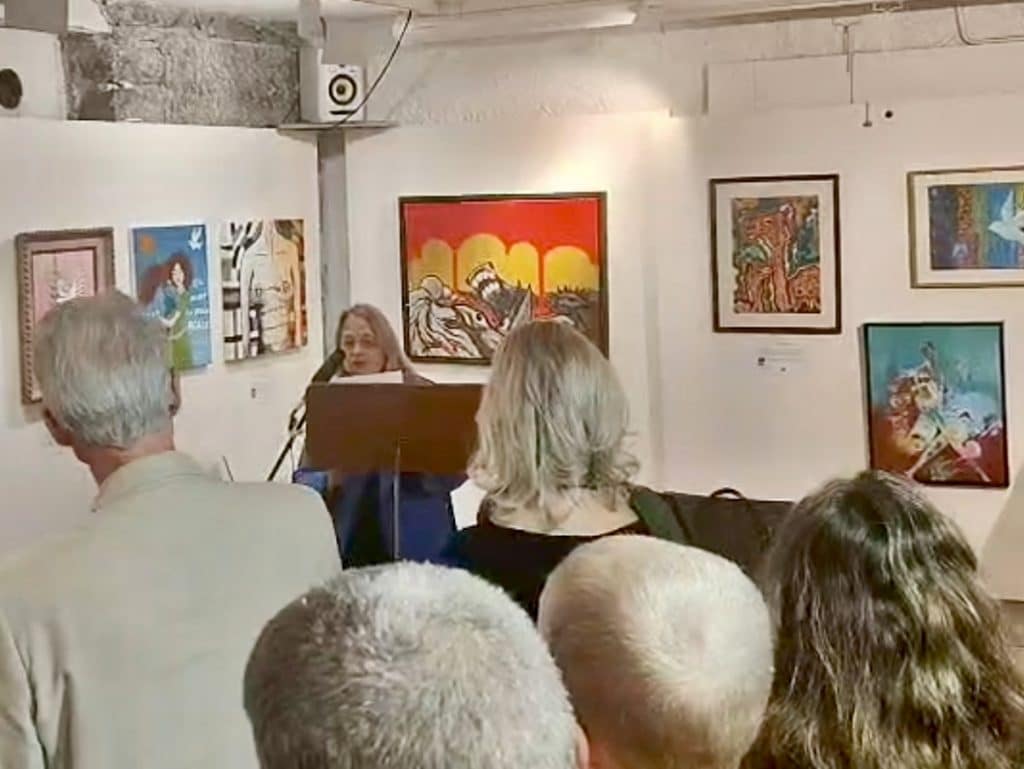
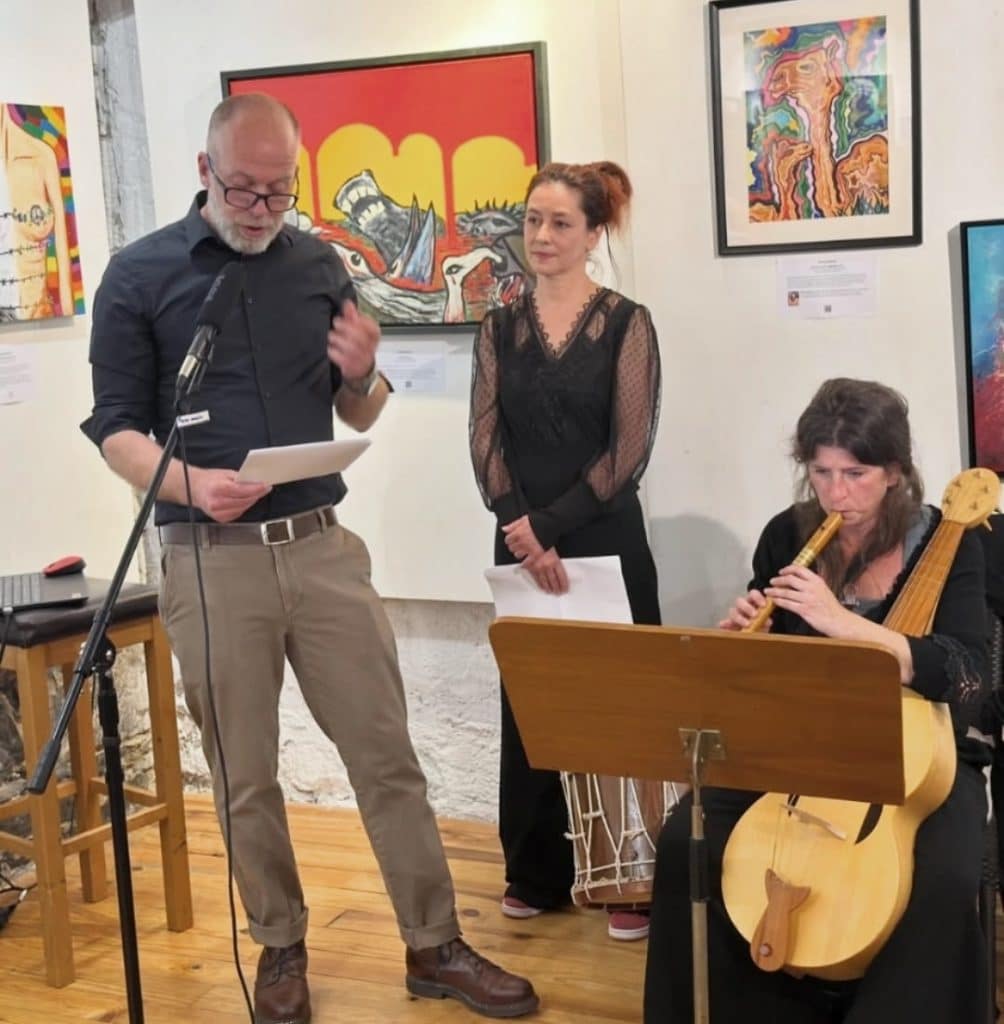
This May, my painting Memory of a World Without Conflict became part of the international exhibition PROMEMORIA (Sending Out an SOS) – War: A Thing Never to Do, held in Geneva at the Institut des Cultures Arabes et Méditerranéennes – ICAM L’Olivier. Organized by Colorier l’Avenir in partnership with ICAN, the recipient of the 2017 Nobel Peace Prize, the exhibition gathered artists from more than fifty countries around a shared call for peace, disarmament, and human responsibility in a fragile world.
While many works approached the subject through the trauma and consequences of war, I felt compelled to speak about peace in a different way. I chose to speak through the memory of the Vinča civilization.
For me, Vinča is not only an archaeological heritage. It is a reminder that another model of society once existed, one rooted in balance, rhythm, coexistence, and continuity with nature. A civilization that, according to existing evidence, left no visible traces of warfare.
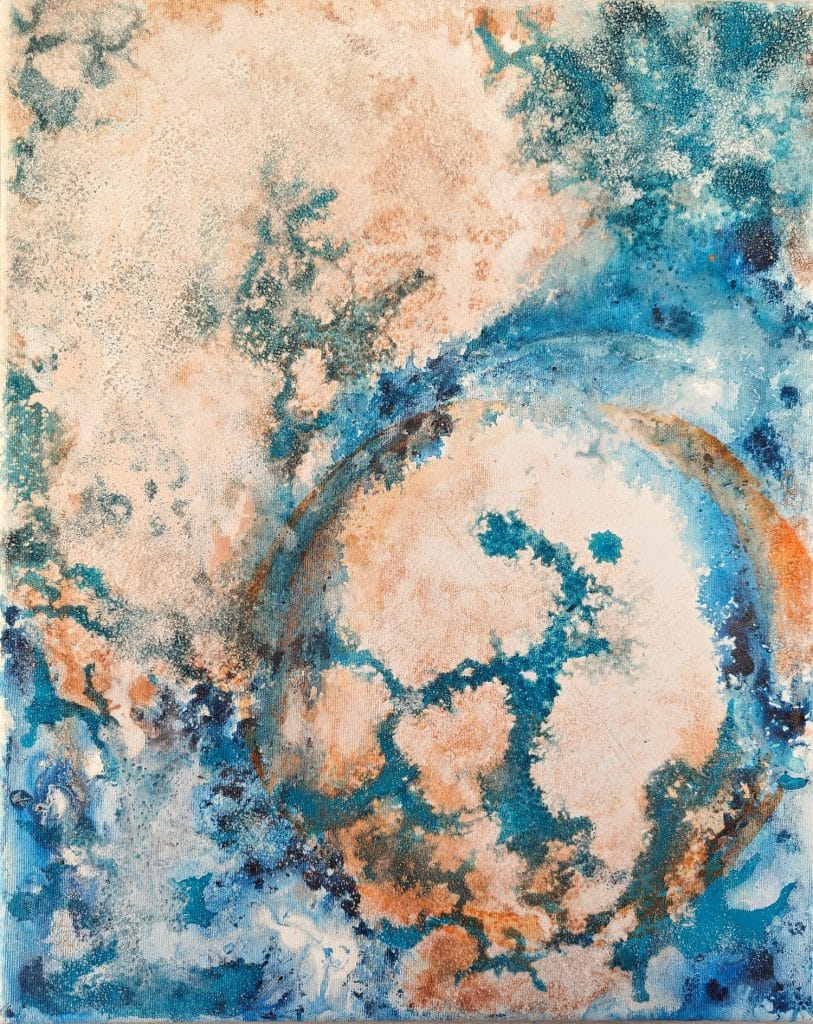
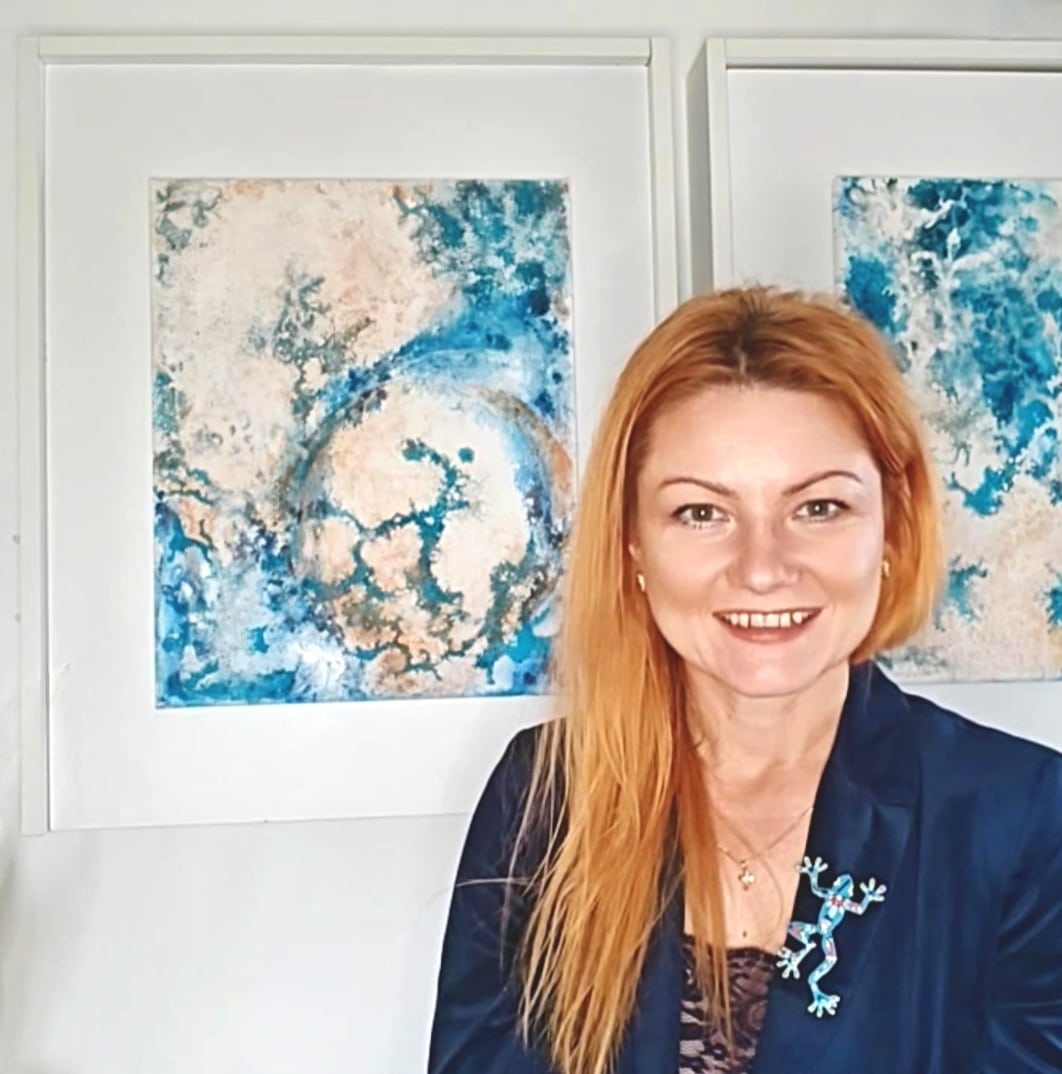
This idea became the foundation of my work, Memory of a World Without Conflict.
Rather than illustrating conflict, the painting reflects on the conditions that make peaceful coexistence possible. It asks whether humanity still carries, somewhere beneath modern systems of tension and division, a deep memory of another way of living.
During the opening of the exhibition, Enrico Muratore Aprosio, president of Colorier l’Avenir and long-time human rights expert within the United Nations framework, spoke about the significance of bringing the story of Vinča into today’s global conversation on peace.
“Another world was possible then,” he said, “and we hope to build another world today through the action of committed artists from all these different countries.”
To present this work in Geneva carried a special meaning for me. Geneva is not only a city of diplomacy. It is a place where humanity continuously negotiates its future, its values, and the possibility of coexistence.
Perhaps this is why I believe that art still matters deeply. Not because it can directly solve political conflicts, but because it can remind us of the inner structures from which every society is built.